
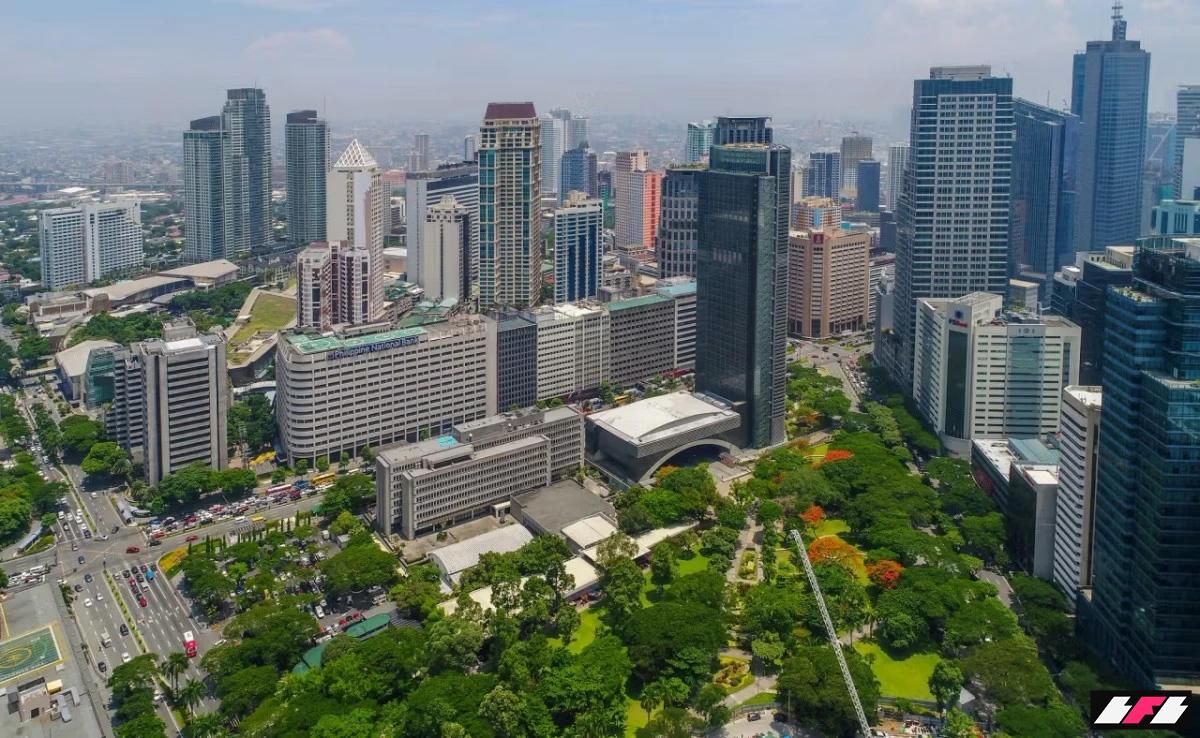
philippine Finance Philippines is at a turning point. Policy makers have signaled a broader shift toward open data, digital wallets, and interoperable payments that could alter how households and small businesses access credit, save, and transact. In parallel, the gaming sector—long a source of cash-intensive operations—faces pressures to modernize its cash collection and settlement systems while staying within the bounds of regulators and consumer protection norms. For observers following financial systems in the region, the Philippines now presents a case study in aligning fintech-enabled inclusion with sector-specific risk controls. The choices governments and industry players make in the next 24 to 36 months will reverberate beyond casinos and cash desks, shaping how ordinary Filipinos use money, borrow responsibly, and participate in formal finance.
Background: Open Finance and Financial Inclusion
The Open Finance ethos in the Philippines centers on giving consumers control over their financial data while enabling secure, consent-based sharing between providers. Advocates argue this can expand access to essential services for students and low-income households, reduce the cost of credit, and foster competition among banks, fintechs, and non-bank lenders. A policy direction in this area aims to accelerate financial inclusion by standardizing how data is accessed, stored, and used, with safeguards that prioritize privacy and consumer rights. In practice, this means pilot programs and regulatory sandboxes where banks, fintechs, and telecoms test APIs, digital identity, and reusable customer consent rails. The potential is broad: more transparent loan terms, faster underwriting, and easier enrollment in digital wallets that can be linked to merchant networks—including those serving hospitality and entertainment venues that host gaming operations.
Financial Technology Shifts for Casino-Related Payments
Cashless payment rails are increasingly seen as a way to improve transparency in casino-related cash flows, reduce float risk, and simplify loyalty and tax reporting. In the Philippines, a growing ecosystem of digital wallets, payment service providers, and bank partnerships is enabling merchants to accept mobile payments alongside card transactions. For a sector with significant visitor traffic and cross-border guest profiles, interoperable rails can unlock cross-border remittance flows, real-time settlement, and more predictable revenue streams for operators and suppliers. Yet adoption will hinge on alignment with anti-money-laundering (AML) standards, know-your-customer (KYC) requirements, and data privacy protections. Operators will need to invest in secure point-of-sale integrations, merchant dashboards, and customer consent mechanisms to ensure that data sharing remains both beneficial and safe for consumers.
Risks, Regulation, and Market Readiness
Open finance and rapid fintech adoption raise a spectrum of risks that require careful calibration. The most obvious are cybersecurity threats and potential data breaches, which could undermine trust in digital channels used by vulnerable groups. Regulators in the Philippines monitor risk through a layered framework that includes central bank oversight, financial market conduct rules, and sector-specific safeguards for gaming operations. Compliance costs—such as onboarding, ongoing verification, and ongoing monitoring—will influence which players scale first. Moreover, consumer education and awareness are critical: the benefits of digital finance hinge on informed choices about data sharing, fees, and dispute resolution. Even with strong policy incentives, uneven digital readiness across urban and rural areas could momentarily widen the gap if not paired with inclusive access programs and affordable user experiences.
Scenario Planning: What Comes Next in the Philippine Finance Scene
Three plausible paths illustrate the range of outcomes. In an optimistic scenario, policymakers implement clear open-finance standards and a robust sandbox that accelerates digital wallets, payment rails, and data-sharing arrangements among banks, fintechs, and regulated gaming operators. Cashless transactions could become the default in many venues, improving tax compliance and consumer protections while broadening financial inclusion. In a conservative scenario, regulatory friction, cost pressures, and cybersecurity concerns slow the pace of adoption, leaving traditional cash and card rails dominant for longer and delaying the full benefits of open finance for the sector. A third scenario centers on macro-financial conditions—rising inflation, currency volatility, and shifting tourist patterns—that reshape consumer spending and credit demand, prompting a more cautious, staged rollout of new payment methods. Each path has different implications for profitability, risk exposure, and the resilience of the Philippine financial system.
Actionable Takeaways
- Operators should prioritize compliant cashless capabilities, including reliable PSPs, secure POS integrations, and customer-identity controls that align with AML/KYC rules.
- Regulators and policymakers should advance open-finance standards and consumer-protection safeguards while building a sandbox to test cross-sector data sharing and digital identity solutions.
- Fintech providers ought to invest in cybersecurity, interoperability, and local-language user experiences to broaden access and reduce friction for everyday users.
- Investors and lenders should monitor regulatory developments, partnership models between banks and fintechs, and the growth of digital wallets that serve mass-market segments.
- Consumers should stay informed about data-sharing terms, fees, and dispute channels, and embrace digital tools that improve financial resilience without compromising privacy.
Source Context
Background readings and related developments that informed this analysis: