Whisk_5a3147a0130f622a5574524a9ea9a550dr
Economy: Inflation, GDP Growth and the Global Economic Outlook for 2026
The global economy continues to navigate a complex landscape shaped by inflation trends, central bank policies, geopolitical risks, and shifting trade dynamics. Investors, policymakers, and businesses closely monitor indicators such as the inflation rate today, GDP growth, employment data, and interest rate decisions to assess economic momentum.
Understanding macroeconomic conditions is essential for evaluating financial markets, corporate performance, and long-term investment opportunities.
Inflation Rate Today and Price Stability
Inflation remains one of the most closely watched economic indicators. The inflation rate today directly impacts:
- Consumer purchasing power
- Interest rate policy
- Wage growth
- Business input costs
- Investment returns
When inflation accelerates, central banks typically tighten monetary policy to control price pressures. Conversely, easing inflation can create room for rate cuts and economic stimulus.
Federal Reserve Policy and Interest Rates
The Federal Reserve policy plays a crucial role in shaping the US economy and influencing global markets.
Key tools include:
- Federal funds rate adjustments
- Quantitative tightening or easing
- Forward guidance
- Liquidity management
Higher interest rates tend to slow economic activity by increasing borrowing costs, while lower rates stimulate spending and investment.
Global markets often react immediately to Fed statements, reflecting the central bank’s significant influence on liquidity and capital flows.
GDP Growth and Economic Expansion
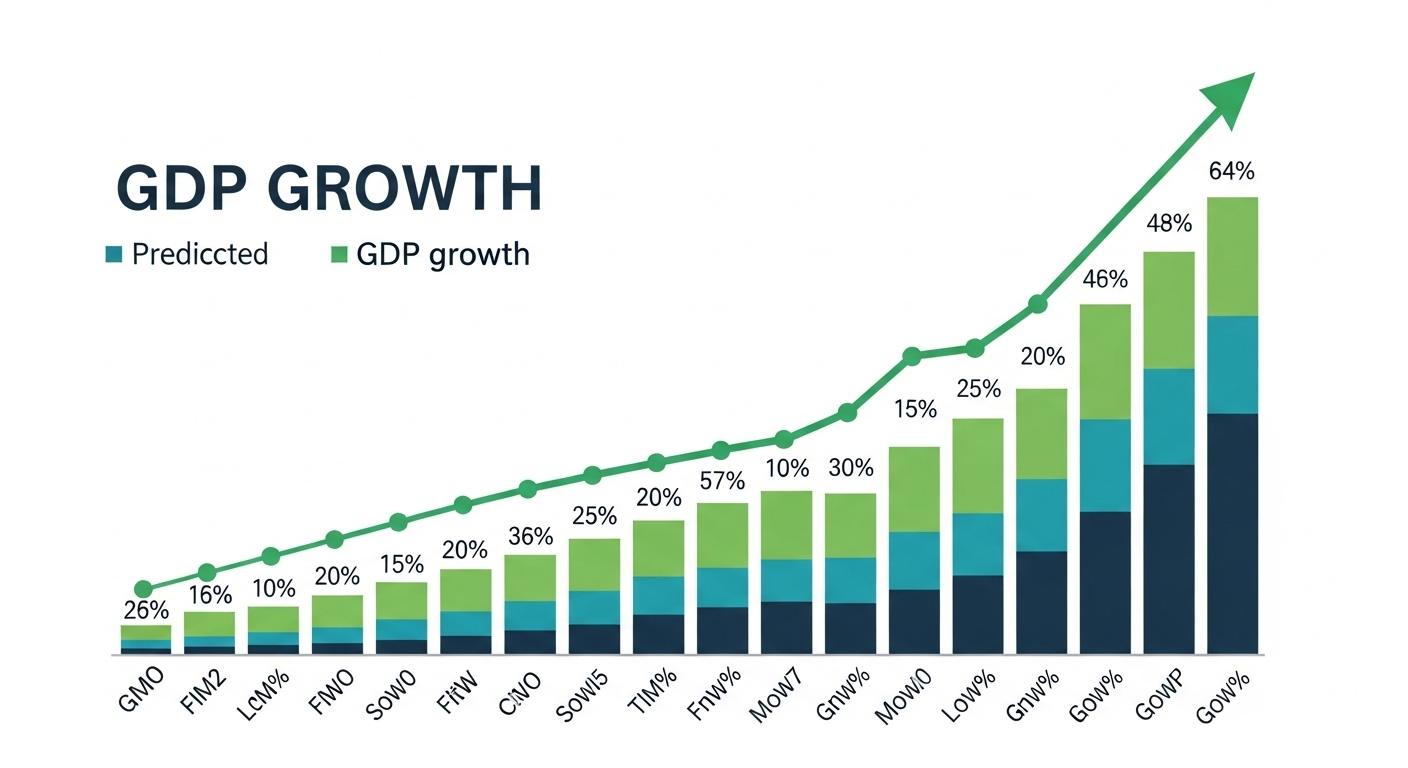
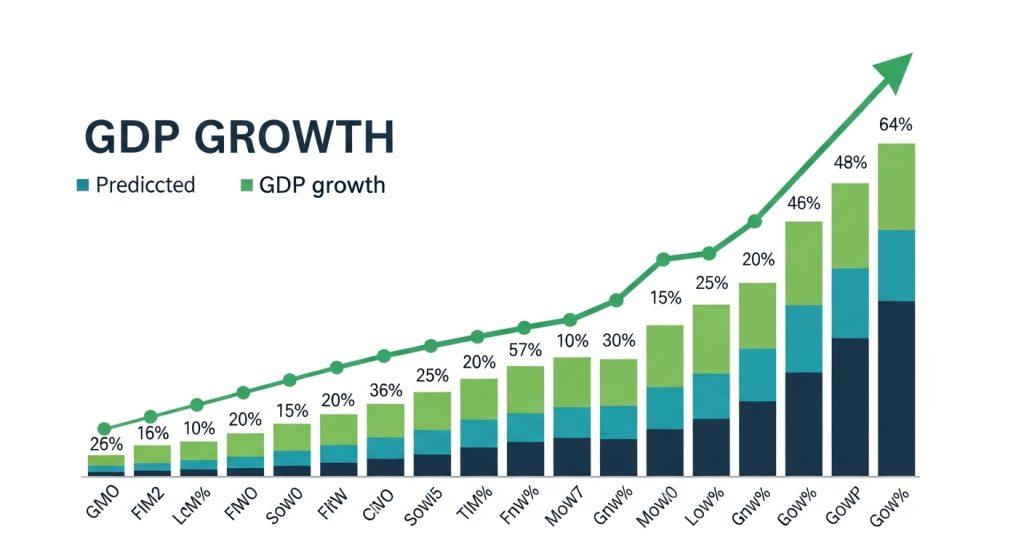
GDP growth measures the total value of goods and services produced within an economy and serves as a benchmark for economic health.
Primary drivers of GDP include:
- Consumer spending
- Business investment
- Government expenditure
- Net exports
Sustained GDP expansion signals economic strength, while contraction may indicate recessionary pressures.
Labor Market and Employment Trends
Employment data provides insight into economic resilience. Indicators such as:
- Unemployment rate
- Nonfarm payrolls
- Labor force participation
- Wage growth
help assess consumer demand and overall productivity.
A strong labor market typically supports consumption, which remains a major component of economic growth in developed economies.
Global Economic Risks
Several risks continue to influence the global economic outlook:
- Geopolitical tensions
- Supply chain disruptions
- Commodity price volatility
- Trade policy changes
- Financial market instability
Emerging markets may face additional challenges related to currency fluctuations and external debt exposure.
Fiscal Policy and Government Spending
Beyond monetary policy, fiscal policy plays a critical role in shaping economic outcomes. Government initiatives such as infrastructure spending, tax reforms, and stimulus packages can influence growth trajectories.
However, rising public debt levels remain a long-term concern for many economies.
Economic Outlook for 2026
Looking ahead, analysts anticipate several structural trends:
- Gradual inflation stabilization
- Potential rate normalization cycles
- Technological productivity gains
- Increased focus on supply chain resilience
- Transition toward renewable energy investment
Economic performance will likely depend on policy coordination, global trade recovery, and financial stability.
Impact on Financial Markets
Macroeconomic conditions significantly influence asset classes:
- Equities react to earnings growth and rate expectations
- Bonds respond to inflation and interest rate shifts
- Commodities fluctuate with supply-demand imbalances
- Currencies move based on relative economic strength
Investors who monitor economic indicators gain a strategic advantage in portfolio positioning.
Conclusion
The global economy remains in transition, influenced by inflation dynamics, central bank policy decisions, and geopolitical developments. Tracking the inflation rate today, evaluating GDP growth, and understanding Federal Reserve policy are essential for navigating financial markets and investment decisions.
As economic cycles evolve, disciplined analysis and long-term perspective remain critical for adapting to changing macroeconomic conditions.